Rising US rebar prices threaten imports’ resurgence
Tightening supply was the catalyst as US rebar values increased by more than a fifth during 2025, ending the year at their highest level since July 2023.
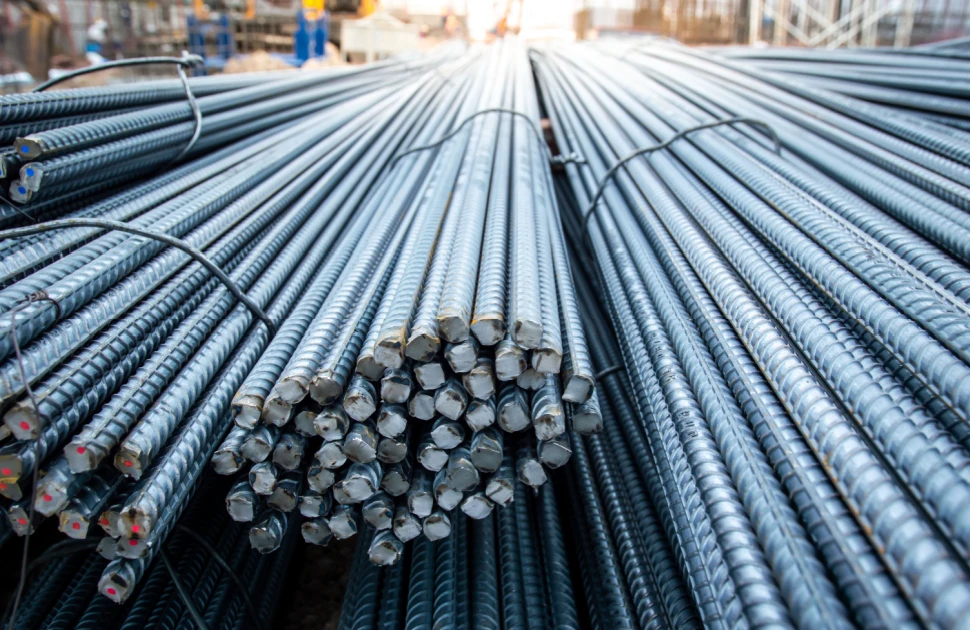
Price data published in the December edition of MEPS’s International Steel Review showed that domestic rebar prices had reached USD880-930 per short ton, on an ex works basis, compared with USD715-735 per short ton in the same period of 2024.
The Trump administration’s decision to raise Section 232 tariffs from 25% to 50%, in June last year, made it difficult for many established overseas sources to remain competitive in the United States.
However, MEPS steel market analyst Chris Jackson says that US steel producers may be limited in their ability to push for further price increases in 2026.
“There is a good chance that US rebar mills, buoyed by their 2025 successes, will announce further list price increases sooner rather than later,” he said.
“Domestic buyers will be reluctant to pay more, however. This is because there is currently a big price gap between scrap costs and finished rebar prices.
“Furthermore, if domestic mills push too strongly on price, then this will reopen the door for imports. Third-party material will become an increasingly viable option, especially in the coastal regions of the country, despite the 50% tariff.
“For example, MEPS understands that competitively priced material from South Korea is being offered below USD900 per short ton, inclusive of the 50% tariff, and is expected to reach US shores at the end of the first quarter of 2026.”
Declining import volumes buoy rebar prices
Preliminary data published by the International Trade Administration indicates that rebar imports into the US decreased by 8.3% in 2025. Vietnamese material, which is the subject of an ongoing investigation into antidumping and countervailing from four countries, was the largest source of US rebar imports. Preliminary licence data indicates that imports from the country reached 186,055 tonnes last year – an increase of 229.9% year-on-year.
Total 2025 import volumes fell in the other three named countries involved in the US trade case. Volumes from Egypt, the largest source of imports in 2024, fell by 38.4%. Rebar imports from Algeria and Bulgaria declined by 9.2% and 27.8%, respectively.
Emboldened by the trade legislation limiting the influence of imports in the US market, domestic producers, including CMC, Gerdau and Nucor, announced a series of list price increases throughout the year. The latest of these announcements came in mid-November.
Amid tightening import supply, rebar buyers had little option but to purchase their requirements from domestic sources. Consequently, US producers’ delivery lead times extended to between three and four weeks. Furthermore, many common sizes and specifications were temporarily unavailable from mill stocks.
Signs that US supply constraints could be easing
This tight supply situation showed signs of easing in December when many of MEPS’s US research partners said that local supply was starting to normalise for quarter one deliveries. This was despite mill outages for scheduled maintenance in the Christmas and New Year period.
Recently introduced production capacity at Nucor’s operations at Kingman (Arizona) and Lexington (North Carolina), along with Hybar, in Arkansas, improved supply in certain parts of the country.
Nonetheless, market participants say that all three operations are still ramping up their production capabilities and US rebar producers have managed to maintain elevated prices through the seasonally slow winter months. Demand has been supported by building projects in the commercial sector, most notably for data centres. Industry data released by the Dodge Construction Network reported that non-residential building starts were up by 4.8% year-on-year in November, although a monthly fall had also been noted.
Residential construction, which was slow throughout 2025, is expected to improve. This improved outlook is largely attributed to the Federal Reserve’s 0.75 percentage point cuts to interest rates during 2025, including December’s 0.25 percentage point reduction.
Source:
International Steel Review
The MEPS International Steel Review is an essential monthly publication, offering professional analysis and insight into carbon steel prices around the world.
Go to productRequest a free publication