Trade defences prompt Canadian steel beam production plans
Canadian steel market participants have told MEPS that government plans to ramp up infrastructure and defence spending should support Algoma Steel’s plan to open a new structural beam mill – increasing domestic supply.
Canadian authorities recently announced a series of measures to protect its domestic steel industry through the implementation of reduced tariff-rate quotas and a 50% above-quota duty. The promotion of a “Buy Canadian” policy was also launched by Canadian Prime Minister Mark Carney, in September, mandating the use of domestic steel in large projects in a bid to support domestic steelmakers.
As indicated in December’s research for the MEPS International Steel Review, Canadian steel market participants believe that this will support Algoma’s long-standing plan to open a beam production facility.
MEPS steel market analyst, Chris Jackson, said: "Algoma Steel is going through a key restructuring of its steel operations after President Trump's trade policies exposed its overreliance on the neighbouring US market, for coil and plate. The building of a beam mill presents a unique opportunity to grow its local sales, given the current absence of domestic supply."
Canada’s duty-free steel import quotas for countries without a free trade agreement (FTA) with the country were reduced from 50% to 20% of 2024 import levels from December 26. For FTA partners, the duty-free quota declined from 100% to 75% of 2024 levels. This should reduce overseas competition for domestic steelmakers, which have been struggling to adapt to the loss of export opportunity resulting from the United States’ implementation of 50% Section 232 import tariffs.
Algoma Steel is one such steelmaker. Last month it reported a net loss of CAD485.1 million for quarter three of 2025 and announced over 1,000 job losses.
However, in November it had agreed a CAD500 million public funding agreement, including CAD400m from the Canadian Emergency Business Financing Corporation and CAD100m from the Province of Ontario.
The Ontario-based steelmaker later announced its plans to open a beam and enhanced plate plant, which should be operational by the end of 2026. The project will include the re-employment of 500 workers.
US mills’ reduced appetite for Canadian sales
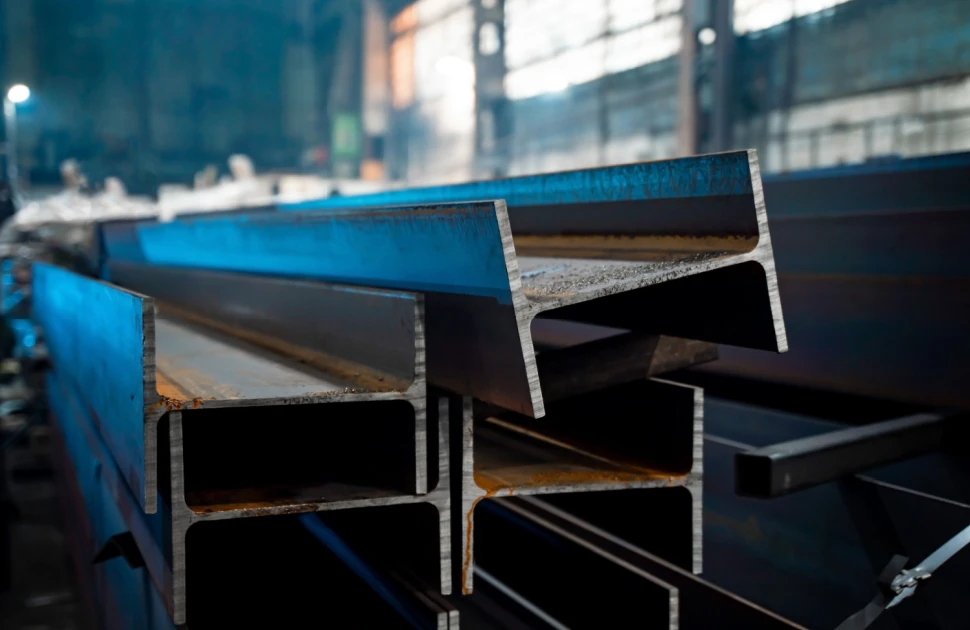
Canada does not currently have a domestic source of structural beams. Historically, US mills have filled the supply void, leveraging Canadian sales to sell their surplus tonnages. However, the combination of rising trade tensions and increased domestic prices, resulting from the introduction of US Section 232 import tariffs, has reduced US mills’ interest in exports to Canada.
MEPS respondents in Canada say that US mills have become less willing to offer “foreign fighter packages”, designed to compete with offers from non-North American suppliers. Consequently, the gap between US mills’ price offers and those offered by other third-country sources continues to grow.
Nucor, Steel Dynamics and Gerdau North America announced a list price increase of USD40 per short ton in late November. This was generally accepted, not only by US buyers but also Canadian end-users involved in structural fabrication. These steelmakers announced further increases of USD60 per short ton in early January.
Canada's steel buyers say that beam prices from non-US origins have largely remained stable in recent negotiations. Any price changes are largely attributed to exchange rate fluctuations, given that the majority of mill price offers are quoted in US dollar terms.
In December, Canadian market participants reported that they have no shortage of import options from countries that benefit from FTA agreements. Hyundai Steel (South Korea) have now become the supplier of choice for many. European producers, including ArcelorMittal’s Spanish and Luxembourg operations, as well as Stahlwerk Thuringen (Germany), Celsa (Spain) and British Steel (UK), continue to sell extensively into the east of the country.
Jackson said that the success of Algoma’s beam production plans will depend on how effective Canada’s trade defences are in limiting the country’s steel imports. He said: "It is likely that Algoma will continue to face stiff competition from both Europe and certain Asian countries. It may be more difficult for it to compete with Asian-origin imports in Canada’s western provinces, given the logistical difficulties in transporting across the country."
Source:
International Steel Review
The MEPS International Steel Review is an essential monthly publication, offering professional analysis and insight into carbon steel prices around the world.
Go to productRequest a free publication